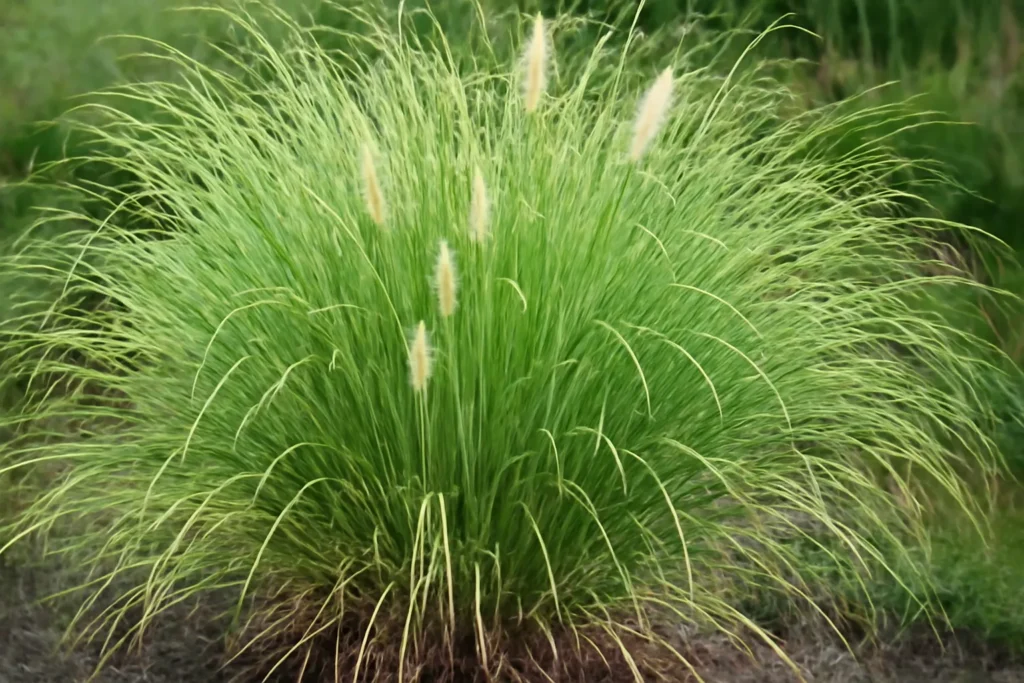
When it comes to enhancing your outdoor spaces, few things are as valuable as finding the perfect plant for your garden or lawn. One such plant that has been gaining attention in recent years is lyposingrass. This versatile and visually appealing plant can be a fantastic addition to your landscaping, offering a variety of benefits beyond just aesthetics. In this article, we will dive deep into the world of lyposingrass, explore its characteristics, benefits, and how you can incorporate it into your garden.
What is Lyposingrass?
It is a species of ornamental grass known for its attractive, slender foliage and graceful growth habit. It thrives in a variety of climates and offers numerous benefits, from improving soil quality to enhancing the visual appeal of any garden. Though not as commonly known as other ornamental grasses, its unique qualities make it a standout choice for those seeking something special for their landscapes.
The Unique Characteristics of Lyposingrass
It is characterized by its fine-textured leaves that sway gently in the wind. Its tall, elegant form provides a striking contrast against more traditional landscaping elements like shrubs and flowers. The plant is known for its ability to grow in a range of soil types, making it suitable for both urban and rural gardens. Furthermore, it is relatively low-maintenance, requiring minimal care once established.
Why Choose Lyposingrass for Your Garden?
If you’re looking to elevate your outdoor space, it offers several advantages. Below are just a few reasons why this plant is a must-have for your garden:
1. Low Maintenance
It is an ideal choice for those who want a beautiful garden without a lot of upkeep. It does not require constant attention or specialized care. Once planted, it thrives in a variety of soil conditions and does not need frequent watering. This makes it a great option for both beginners and experienced gardeners alike.
2. Versatility in Landscaping
One of the standout features of lyposingrass is its versatility. It can be used in a variety of landscaping styles, from formal gardens to more naturalistic, wildflower meadows. Whether you need a border plant, a ground cover, or an accent piece, lyposingrass fits the bill perfectly.
3. Attractive to Wildlife
It is not only beautiful to look at, but it also supports local wildlife. Its tall, graceful stems provide a habitat for birds and small insects. Additionally, the plant produces seeds that attract various species, adding a dynamic element to your garden ecosystem.
4. Erosion Control
Another benefit of incorporating lyposingrass into your garden is its ability to prevent soil erosion. Its deep-root system helps anchor the soil, making it an excellent choice for areas prone to erosion, such as slopes or banks.
How to Grow Lyposingrass
Growing lyposingrass is relatively easy, but it’s important to understand the best conditions for it to thrive. Below are some tips for successful cultivation:
Soil and Watering Needs
It prefers well-drained soil but is adaptable to a variety of soil types. It thrives in moderately fertile soils and does not require excessive amounts of water once established. Make sure to water it regularly during the first few months after planting, but reduce watering once the plant is settled in.
Light Requirements
This plant flourishes in full sunlight, although it can tolerate partial shade. However, it will grow more vigorously in areas where it receives plenty of sunlight throughout the day. Be sure to plant it in a location that gets at least six hours of direct sunlight.
Pruning and Maintenance
While lyposingrass requires minimal care, occasional pruning can help maintain its shape and encourage fresh growth. You can trim back any dead or damaged foliage in early spring to promote new shoots. In the fall, it’s a good idea to remove any spent flowers or seed heads to maintain the plant’s tidy appearance.
Common Pests and Diseases of Lyposingrass
Like all plants, lyposingrass can be susceptible to certain pests and diseases. However, it is generally resistant to most common garden issues. To ensure its health, check for signs of pests like aphids or spider mites. If you notice any issues, treat the plant promptly with organic insecticidal soap.
You Might Also Read It : Cellulogia
Decorative Uses of Lyposingrass
It is often used as an ornamental plant due to its attractive form and texture. Here are some creative ways to incorporate it into your landscaping:
1. As a Border Plant
It makes a beautiful border plant along walkways, driveways, or garden beds. Its fine, slender leaves provide a soft contrast against hard surfaces, creating a calming atmosphere.
2. In a Mixed Garden Bed
This ornamental grass can also be mixed with other flowers, shrubs, and grasses to create a dynamic, multi-layered garden bed. Its height and texture contrast beautifully with flowering plants, such as roses or lavender.
3. As a Standalone Feature
For a bold statement, you can plant lyposingrass as a standalone feature in your garden. Its tall, elegant form makes it a great focal point, especially when planted against a backdrop of larger trees or shrubs.
Conclusion
Incorporating lyposingrass into your garden or landscape offers numerous benefits, from its low-maintenance nature to its ability to enhance the aesthetic appeal of any space. Whether you’re looking for an attractive border plant, a wildlife-friendly option, or a plant that provides soil erosion control, lyposingrass is a versatile and practical choice. With its beautiful, slender foliage and ability to thrive in various conditions, it’s clear that this plant is a valuable addition to any garden.
Frequently Asked Questions
1. Is lyposingrass suitable for all climates?
It is quite adaptable and can grow in a wide range of climates. However, it thrives best in regions with moderate temperatures and plenty of sunlight.
2. How often should I water lyposingrass?
Once established, lyposingrass is drought-tolerant and does not require frequent watering. During the first few months, water regularly, but once the plant is well-rooted, you can reduce watering.
3. Can I plant lyposingrass in containers?
Yes, it can be grown in containers as long as they are large enough to accommodate the plant’s root system. Ensure the container has good drainage.
4. Does lyposingrass attract wildlife?
Yes, lyposingrass attracts various wildlife, including birds and insects. Its tall stems provide a safe space for nesting, while its seeds are a food source for birds.
5. How do I care for lyposingrass in winter?
In winter, it requires minimal care. Trim back any dead foliage and allow the plant to go dormant. Ensure it’s not sitting in overly wet soil to prevent root rot.
You May Also Read It : Koriandri : A Deep Dive Into Its Uses and Benefits