Sweater Magic Have you ever wondered why certain garments are instantly flattering, no matter your figure type or the occasion? The secret is all in the manipulation of cloth, masterfully represented by the glamourous Drape Dress. This beloved garment, worn by the likes of ancient Greek goddesses and modern runway models, becomes recognizable for its gently rolled tumbling folds of gathered woven fabric. It’s not just a garment, it’s how one personifies casual chic. But what is it exactly, and how to perfect the art of dressing a fine piece like this. Let’s get lost in cascading fabric and timeless allure.
What is a Drape Dress?
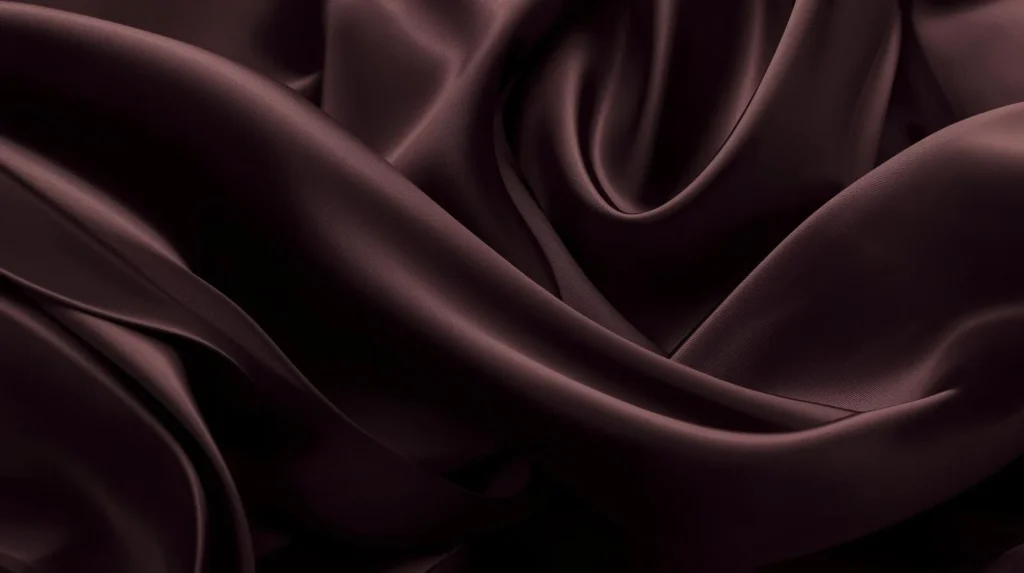
The idea of draping has been around for thousands of years, with ancient cultures such as the Greeks and Romans taking it up. They employed plain, large pieces of material, such as the chiton and toga, at times sheepishly wrapping and pinning them in order to achieve sophisticated folds. Modern fashion translates this method by skilfully cutting the fabric – whether it be jersey, silk or chiffon – to drape in organic, flowy lines along your body.
The enduring popularity of the Drape Dress comes down to three key factors:
-
Universal Flattery: And the way it pools and folds selectively hides bits of yourself you might prefer not to reveal while accentuating your own natural curves.
-
Movement and Comfort: Since the material does not stand on its own, a draped gown flows with the wearer. It provides unparalleled comfort without compromising on the glamour one bit.
-
Versatility: Starting with a knee length Drape Dress to full skirrted long gown this dress shape is wearable at any occassion level.
This amazing piece achieves both softness and structure illusionarily at the same time. It’s a real wardrobe hero that every fashion fan should have.
The Defining Characteristics of Draping
-
Asymmetrical Design: A lot of them have a cowl neck or one-shoulder, forming diagonal lines that elongate the body.
-
Ruched Detailing: Ruching, gathering fabric in specific places, can add texture and volume — around the waist or bust, for example.
-
Bias Cut: Another common characteristic of such dresses is that it’s sometimes cut on the bias. This provides weight and gravity in which the fabric falls against you, clinging seductively against your skin..
Styling Your Drape Dress for Every Occasion
One of the things I think is most brilliant about the Drape Dress is how versatile it is. Whether you’re going to a casual brunch, or a black-tie gala or anything in between, there’s the perfect way to wear this masterpiece. Don’t forget, the accessory is the fabric itself for most of these designs, so many times less is more.
You Might Like It : Blazertje
Casual Chic: The Daytime Drape
Choose the perfect casual chic fabric like jersey or cotton blend and knee-long of midi Drape Dress.
-
Footwear: Wear it with sleek white tennis shoes for an active, contemporary vibe or pared back leather sandals for a holiday edge.
-
Layering: For cooler nights, throw on a denim jacket or a soft, oversized cardigan.
-
Accessories: Keep jewelry minimal. Opt for a small crossbody and dainty pendant.
-
Color Palette: Opt for low-key prints or earthy, natural hues like olive, rust or soft gray.
Sophisticated Evening Wear: The Statement Drape
When it’s time to elevate the look, the Drape Dress truly shines. Think luxurious fabrics and dramatic silhouettes.
-
Fabrics: Seek out silk, satin, or rich velvet for instant glamour.
-
Silhouettes: A floor-length gown with a plunging cowl back or an asymmetrical one-shoulder drape makes a powerful statement.
-
Accessories: This is your chance to bring out the sparkle! Opt for statement earrings or a bold cuff bracelet.
-
Footwear: Elegant strappy heels or classic pumps are essential. The heel height will also enhance the flow of the skirt.
-
Finishing Touch: Complete the look with a chic clutch bag and a tailored trench coat or faux-fur wrap.
Decoding the Different Drape Styles
Not all draped garments are created equal. The way the fabric is manipulated results in distinct styles, each offering a different aesthetic and benefit. Understanding these can help you choose the perfect Drape Dress for your specific needs.
The Cowl Neck Dress
A classic and highly feminine drape, the cowl neck features fabric that is gathered and folded to create soft, U-shaped folds under the collarbone.
Pro Tip: Because the cowl neck adds volume around the bust, balance the look with a simple, fitted skirt. Minimal accessories allow the gorgeous neckline to be the focal point.
The Ruched Drape
This style involves strategically gathering fabric, often on the side seams, the waistline, or the back. Ruching is exceptional at creating an hourglass illusion.
-
Benefit: The gathered fabric acts like a tailored cinch, instantly defining the waist and offering forgiving coverage over the midsection.
-
Look: This style is popular in cocktail dresses and form-fitting designs.
The Waterfall Drape
Named for the cascading effect, the waterfall drape features fabric that flows freely and loosely, usually starting from a high point like the shoulder or hip.
-
Effect: This type of draping maximizes movement and creates a soft, romantic silhouette, perfect for a wedding guest outfit or a maxi dress.
The Grecian Drape
Drawing direct inspiration from antiquity, the Grecian style is characterized by asymmetrical lines, often a single, draped shoulder, and fluid, voluminous fabric.
-
Key Materials: Lightweight, ethereal fabrics like chiffon and organza are key to achieving the authentic Grecian drape.
Caring for Your Drape Dress
Your Drape Dress is a gorgeous piece which is designed to drape on the body, therefore it is important that you take good care of it. Different materials require different treatment.
-
Silk and Chiffon: lustrous portion of the fabric may be dry clean only. If you need to hand-wash, do it with cold water and a mild detergent, and never wring out the fabric.
-
Jersey and Viscose: Many jersey and viscose-blend Drape Dresses can be machine-washed on a gentle cycle in a mesh laundry bag. Always check the care label first.
-
Drying: The best way to keep the drape intact is air dry. Lay the item on a flat surface or carefully hang up on a padded hanger. Avoid the dryer at all costs.
-
Ironing: A steam iron at a low temperature setting or a fabric steamer works best. High heat can cause damage to the material and sometimes ruin that gorgeous flow.
Conclusion
For many, the Drape Dress is the elusive find that you thought didn’t exist – comfortable and sophisticated at once. Its backstory is storied, its flattery unequivocal and its versatility unparalleled. Whether you opt for a low-key albert number to run errands at the weekend or an opulent, floor-length silk gown for a special event, you are buying into fashion history. This one is the wardrobe must-have..and it really takes almost no effort to look stunning.
Let the fabric do the talking with a look that’s all beautiful movement. The Drape Dress is by no means an anomaly; it’s a testament to the impact of beautifully made fashion.
You Might Also Read It : Zuschneidfelle