Introduction
On May 28, 2025, Delta Flight DL275 diverted LAX in a significant mid-air event that drew attention across the aviation world. This blog post breaks down the full story: what caused it, how the crew responded, what passengers experienced, and what lessons this incident offers.
Overview of Delta Flight DL275 and the Diversion
Original Route and Aircraft Details
Flight DL275 (also tracked as DAL275) was operating a transpacific route from Detroit (DTW) to Tokyo Haneda (HND) when the diversion occurred. The aircraft was an Airbus A350-900, powered by Rolls-Royce Trent XWB engines.
When and Where the Diversion Was Decided
About five hours after departure, over the North Pacific, a technical alert triggered a decision to divert. Rather than continuing toward Tokyo or landing at a more remote airport, Delta redirected the flight toward Los Angeles International Airport (LAX). The plane touched down safely on Runway 06R at LAX in the early hours (approximately 1:08 AM) after about 12 hours and 15 minutes of flight since departure.
Why Delta Flight DL275 Diverted LAX — Root Causes
Engine Anti-Ice System Malfunction
The most credible explanation is a failure in the engine anti-ice system. At high altitudes, ice may accumulate on engine parts. The anti-ice system uses heated bleed air to prevent that. When that protection fails, continuing across remote oceanic routes becomes too risky.
Why Not Divert Earlier or to Another Airport?
Some observers questioned why the aircraft flew five hours toward LAX and didn’t divert to Anchorage or Seattle, which might appear closer. The answer lies in infrastructure and support:
-
Maintenance and technical facilities: LAX is a major Delta hub with Airbus and Rolls-Royce expertise.
-
Customs, immigration, and airport readiness: As an international diversion, the airport needed full handling capability.
-
Runway length and safety margins: A heavy A350 requires long runways and emergency services.
-
Operational strategy: It is safer to reach a major hub than land at a smaller field that may not support repairs.
How the Crew and Airline Managed the Diversion
In-Flight Decision and Communication
Once the alert triggered, the pilots followed standard aviation protocols. They coordinated with Delta operations, consulted with ATC (air traffic control), and assessed fuel range, system status, and diversion options. The cabin crew communicated to passengers with timely updates. Some passengers praised the calm, clear announcements during what could otherwise have felt alarming.
Landing and Post-Landing Response
On arrival at LAX, emergency services were on standby, and ground technicians inspected the aircraft. Passengers disembarked, and Delta arranged accommodations, rebookings, and onward travel to Tokyo. The aircraft remained at the airport for about 18.5 hours undergoing diagnostics and repair before it could return to service.
Passenger Experience and Reaction
Emotions in the Cabin
Passengers onboard DL275 reported a mixture of surprise, concern, and relief. Many described the moment the announcement came over the intercom as tense. Others said the crew’s composure helped maintain trust. Social media and tracking sites lit up with real-time commentary once the diversion was visible.
After Landing
After landing at LAX, many were relieved to be on solid ground. Some faced delays, missed connections, or overnight layovers. Others took advantage of hotel vouchers and rebooking. Passengers expressed gratitude for how well the crew handled the situation.
Impact and Broader Significance
Financial and Operational Cost
Analysts estimated the total cost of this diversion at around $2.3 million, including fuel burn, ground handling, maintenance, passenger accommodations, and lost schedule efficiency. While high, these costs are a fraction of risk mitigation costs if the flight had continued with a failing system.
Aviation Safety Lessons
This incident highlights several key points:
-
Preventive maintenance and monitoring are vital to reduce in-flight technical issues.
-
Redundancy and early detection (e.g. sensors, alerts) are critical systems on modern aircraft.
-
Training and decision protocols ensure that, when issues arise, crews choose prudence over schedule.
-
The diversion to LAX demonstrates how airline infrastructure and support networks matter when selecting diversion airports.
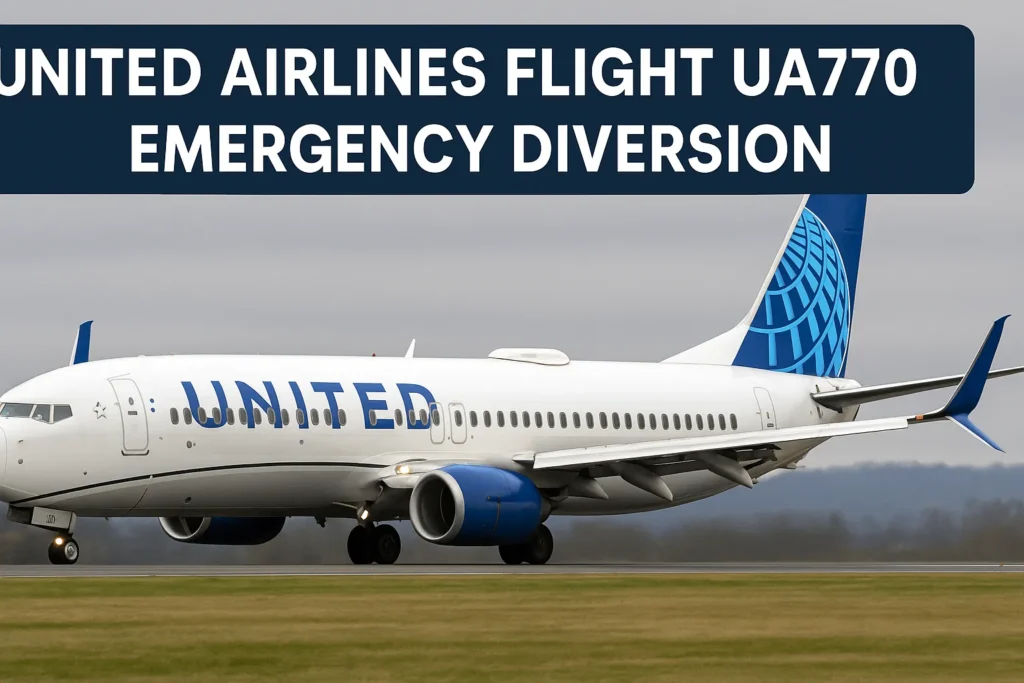
It also serves as a practical case study when comparing other diversions such as United Airlines Flight UA770 Emergency Diversion, which readers may explore for contrast.
What You Should Know About Flight Diversions
Why Flights Get Diverted
Diversions may occur due to:
-
Mechanical or system failures
-
Medical emergencies onboard
-
Weather or turbulence or poor visibility
-
Operational limitations (fuel, crew duty time, airspace)
-
Security or external hazards
In this case, a mechanical alert was the trigger.
What Passengers Should Expect
During a diversion, passengers should:
-
Remain calm and follow crew instructions
-
Expect delays and possible overnight stays
-
Keep essentials in the cabin bag
-
Use airline apps and alerts to track updates
-
Understand that safety is the priority
How Airlines Prepare for Diversions
Airlines coordinate with dispatch, maintain lists of alternate airports, and plan logistical support (hotels, rebookings, ground handling). Crew training emphasizes crisis communication and procedural responses.
Internal & External Linking Strategy
-
For internal reference, see United Airlines Flight UA770 Emergency Diversion, which offers insight into another major in-air diversion scenario.
-
For external linking, you may link to a reliable aviation authority or safety board report on engine anti-ice systems or ETOPS certification as supporting reading.
Frequently Asked Questions
Q1: Why did Delta Flight DL275 divert to LAX?
The diversion was prompted by a malfunction in the engine anti-ice system. The crew elected to land at LAX, a hub with full maintenance capacity, rather than risk continuing the flight.
Q2: Was there any injury or loss during the diversion?
No injuries were reported. All passengers and crew landed safely.
Q3: How long did the diversion delay the flight?
The flight had flown ~5 hours when the issue occurred, plus additional rerouting. Total in-air time until landing was about 12 hours 15 minutes.
Q4: Why not divert to a closer airport like Anchorage or Seattle?
Although those are geographically closer, they lack the full repair and support infrastructure needed for a heavy A350 with complex systems. LAX offered repair facilities, parts, and support staff.
Q5: How often do flights like DL275 get diverted?
Diversions on long-haul flights occur occasionally but are still rare considering the high number of flights daily. Each incident is treated seriously as part of safety operations.
Conclusion
The case of Delta Flight DL275 diverted LAX is a powerful reminder of how aviation prioritizes safety above all. While technical systems failed mid-flight, the training, infrastructure, and decision protocols in place ensured the aircraft landed safely. Passengers faced disruption and cost, but none faced danger. In the context of modern air travel, diversions such as this one underline confidence in crews and systems rather than undermine it.